
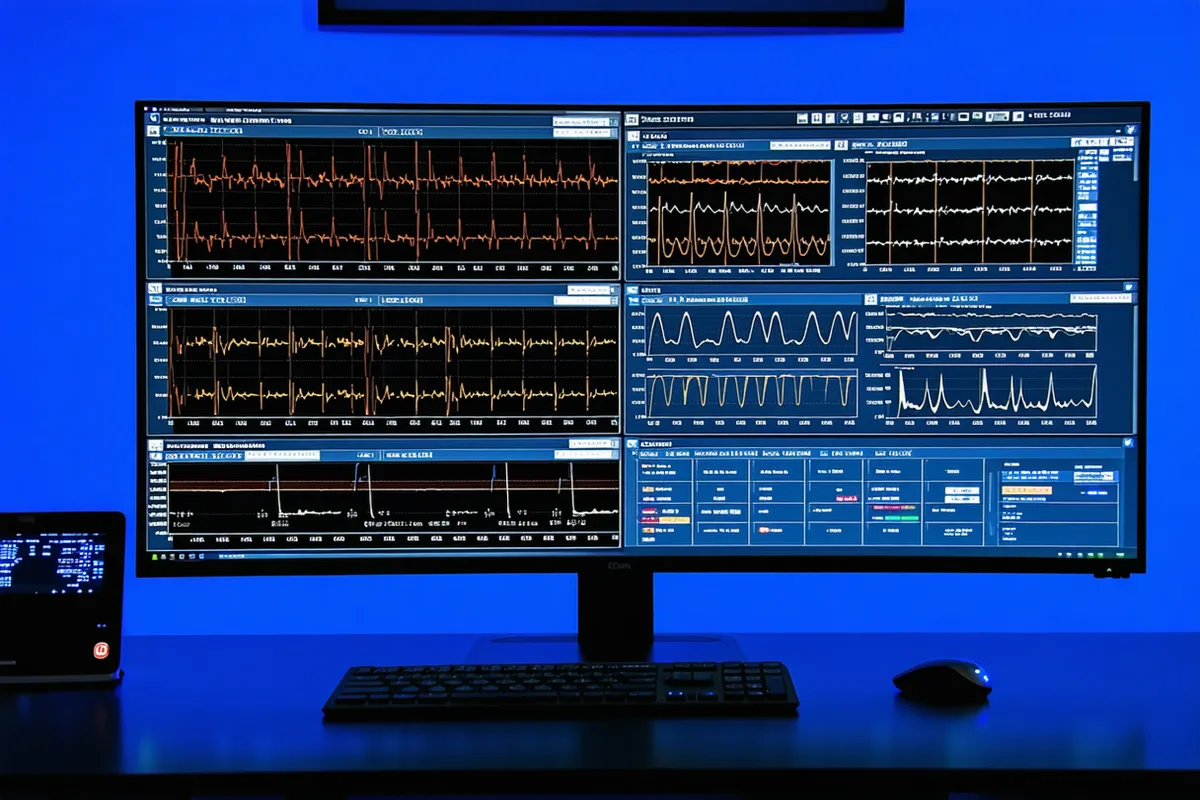
EP Alert Triage & Telemetry Analytics

See every critical cardiac event. Before the queue buries it.

Implansense aggregates telemetry from connected cardiac devices and surfaces clinically significant alerts — so EP teams spend time on patients, not on sorting transmissions.

Designed for the volume of a high-acuity EP practice

The EP Clinic Problem
~40%

of EP clinic staff time spent on transmission triage in high-volume practices

The average high-volume device clinic receives 8,000–12,000 device transmissions per month. Current workflows send every one to the same queue — leaving critical ventricular events competing with routine 90-day check-ins for clinician attention.

The Platform

Three pillars. One clinical workflow.

Implansense decomposes the device clinic workload into three structured modules — each addressing a distinct EP pain point.

Alert Triage Engine

Severity-scored queues replace undifferentiated transmission lists. Critical events surface automatically — VT storms, shock deliveries, and significant arrhythmias reach the top.

Learn more

Remote Follow-Up Scheduler

Intelligent scheduling queues reduce follow-up gaps. Urgency weighting ensures loop recorder patients and post-shock follow-ups aren't lost in high-volume backlogs.

Learn more

Clinical Timeline

Longitudinal view across device events, transmissions, and clinical notes — EHR-adjacent context in one place. Every event, in sequence, with the clinical context that matters.

Learn more
How It Works

From device transmission to clinical action

The full device-to-workflow pipeline, with clinical context at each step.

Device transmits via remote monitoring service Implanted devices send scheduled and event-triggered transmissions through the manufacturer's remote monitoring infrastructure.
Implansense ingests normalized telemetry Device-agnostic data ingestion normalizes transmission data across monitoring services into a unified clinical data model.
Alert Triage Engine scores and queues by clinical priority Clinical severity scoring separates VT episodes, shock deliveries, and significant arrhythmias from routine check-ins.
EP team reviews prioritized queue — critical events first Clinicians work a structured queue with severity context, reducing decision overhead on each transmission review.
Follow-up scheduled, clinical note created, timeline updated Actions taken on alerts flow into the remote follow-up scheduler and clinical timeline, closing the loop on each event.

Works with the remote monitoring services your clinic already uses

Pacemaker Monitoring Dual/single chamber PM
ICD Monitoring Shock & therapy events
CRT Device Monitoring Biventricular pacing
Loop Recorder Monitoring Ambulatory ILR data
EHR Connectors HL7 FHIR, SMART on FHIR

View integration details

For Cardiac Device Clinics

Built for the cardiology device clinic workflow

Whether you manage 500 or 5,000 active devices, Implansense adapts to your clinic's transmission volume and follow-up protocols. Designed alongside device clinic teams — not around them.

For Clinics
Device clinic nurse manager reviewing cardiac device monitoring queue at hospital workstation
Designed for HIPAA compliance controls
PHI encrypted at rest and in transit
SOC 2 Type II audit in progress
21 CFR Part 820 design alignment
From the Clinic

What device clinic teams say

Before Implansense, two of us were spending half our day sorting transmissions. Now the critical ones come straight to the top.
Device Clinic Nurse Manager, Regional Cardiac Center
The scheduler integration cut our missed follow-up rate significantly. Loop recorder patients especially — we were losing them in the queue.
EP Program Director, Academic Medical Center
Get Started

Ready to clear the queue?

Request access to see Implansense in your clinic's workflow.