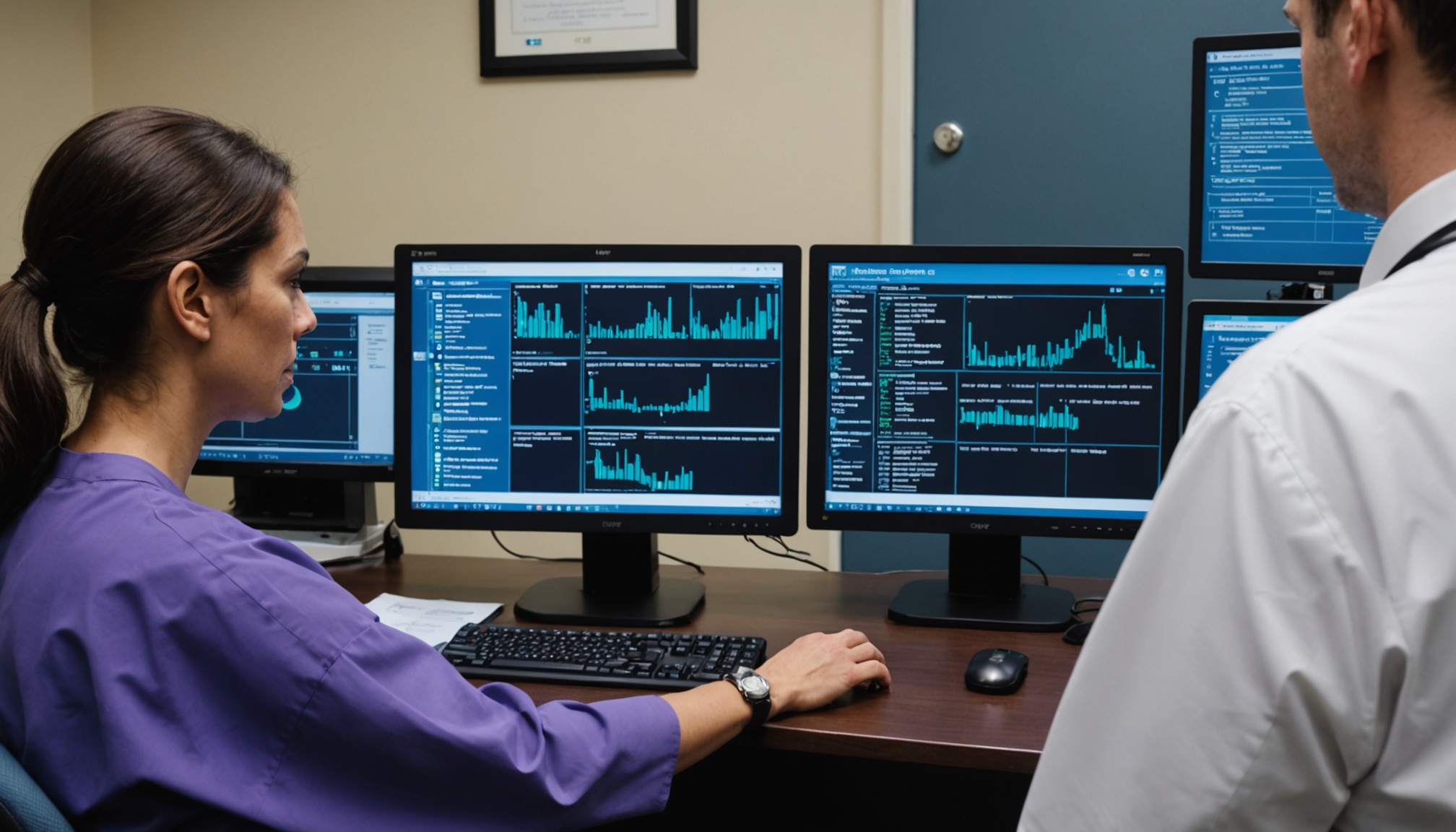
Insertable cardiac monitors are long-term devices — the Abbott Confirm Rx has a longevity of approximately two years, the Medtronic LINQ II up to 4.5 years, and the Biotronik BioMonitor 3 up to four years. During that time, each patient generates a continuous stream of remote monitoring data. The clinical workflow for managing that stream is the ICM follow-up workflow, and at scale it looks substantially different from the in-office follow-up model most EP practices were built around.
ICMs are implanted for a specific clinical indication, and the indication shapes every subsequent monitoring decision. The three most common indications in EP clinic ICM populations are:
The clinical follow-up workflow should be calibrated to the indication. A coordinator reviewing a transmission from a cryptogenic stroke patient should be primarily assessing AF burden against the anticoagulation decision threshold. A coordinator reviewing a syncope patient's transmission should be assessing pause duration and correlation with any symptom reports. Using a generic, indication-blind review protocol for all ICM patients wastes clinical attention on the wrong metrics.
ICM remote monitoring involves two transmission types with different clinical priority. Scheduled transmissions are automatic and device-initiated, occurring daily, every other day, or weekly depending on how the device is programmed. Patient-initiated transmissions occur when the patient activates the transmission manually using a wand (older devices) or via the manufacturer app (current devices) in response to a symptom.
Patient-initiated transmissions should almost always take priority in the review queue over scheduled transmissions from the same period, because they represent an active symptom correlation request. A Monday morning queue that contains 45 scheduled transmissions from the weekend and 3 patient-initiated transmissions should route the 3 patient-initiated items to immediate review. This is not always how platforms present the queue by default — some sort primarily by receipt time, which may bury a Friday evening patient-initiated transmission under a Saturday overnight batch of scheduled transmissions.
Not all ICM transmissions require physician review. Most practices operate on a model where the device coordinator performs first-line triage and routes transmissions to the physician only when findings exceed defined criteria. The coordinator documents routine benign transmissions with a standard note; the physician sees only the transmissions that warrant their attention.
Defining the routing criteria is a practice-level clinical decision. Typical examples include: any pause exceeding 5 seconds, any AF burden exceeding the patient's documented intervention threshold, any VT episode after EGM review confirms it is not artifact, any patient-initiated transmission coinciding with a reported pre-syncopal or syncopal episode. The routing criteria should be documented, periodically reviewed, and calibrated to the physician's preferences — practices where coordinators and physicians have not explicitly agreed on triage criteria often find that coordinators under-escalate to avoid bothering the physician, or over-escalate to cover themselves, neither of which is optimal.
ICM follow-up is inherently longitudinal. A 3% AF burden episode in month 14 of monitoring is interpreted differently depending on whether the patient has had zero prior AF detections or whether they have had AF burden averaging 1-2% for the past six months with an upward trend. Making that interpretation requires access to the monitoring history in a form that is efficiently reviewable — not 14 months of PDF reports, but a structured trend view that shows the relevant metrics over time.
Most manufacturer platforms offer some form of trend reporting within their own portal, but these trend views are platform-specific and cannot aggregate across manufacturers. For a practice with patients on three device platforms, there is no native cross-manufacturer longitudinal view. This is a meaningful limitation for any patient who changes device at reimplant or whose follow-up spans multiple devices.
ICM implant volumes at EP clinics have grown substantially as device indications have expanded and as awareness of AF's role in cryptogenic stroke has increased. A practice that implanted 30 ICMs in 2021 and has maintained that pace is now managing over 150 active ICM patients — assuming average device longevity and a modest attrition rate. A practice that increased its implant rate in response to expanded indications may be managing 300 or more.
Panel growth without workflow investment creates a predictable outcome: the coordinator's review burden grows proportionally while the time available for review stays constant, and triage quality degrades. The clinical risk is not that the coordinator misses an obvious emergency — those are rare and usually trigger urgent alerts. The risk is the slow accumulation of findings that were each individually below the escalation threshold but collectively represent a clinical trajectory that should have prompted a visit or a medication review six months earlier.
Implansense's monitoring workflow is built around the panel management problem. The trend analysis layer tracks each patient's key metrics — AF burden trend, pause frequency, VT flag rate — across their full monitoring history and surfaces patients whose trajectory is changing, not just patients whose current transmission is above a threshold. This is the clinical value proposition that scales with panel size: as the panel grows, the system's ability to flag trajectory changes becomes more valuable, not less.