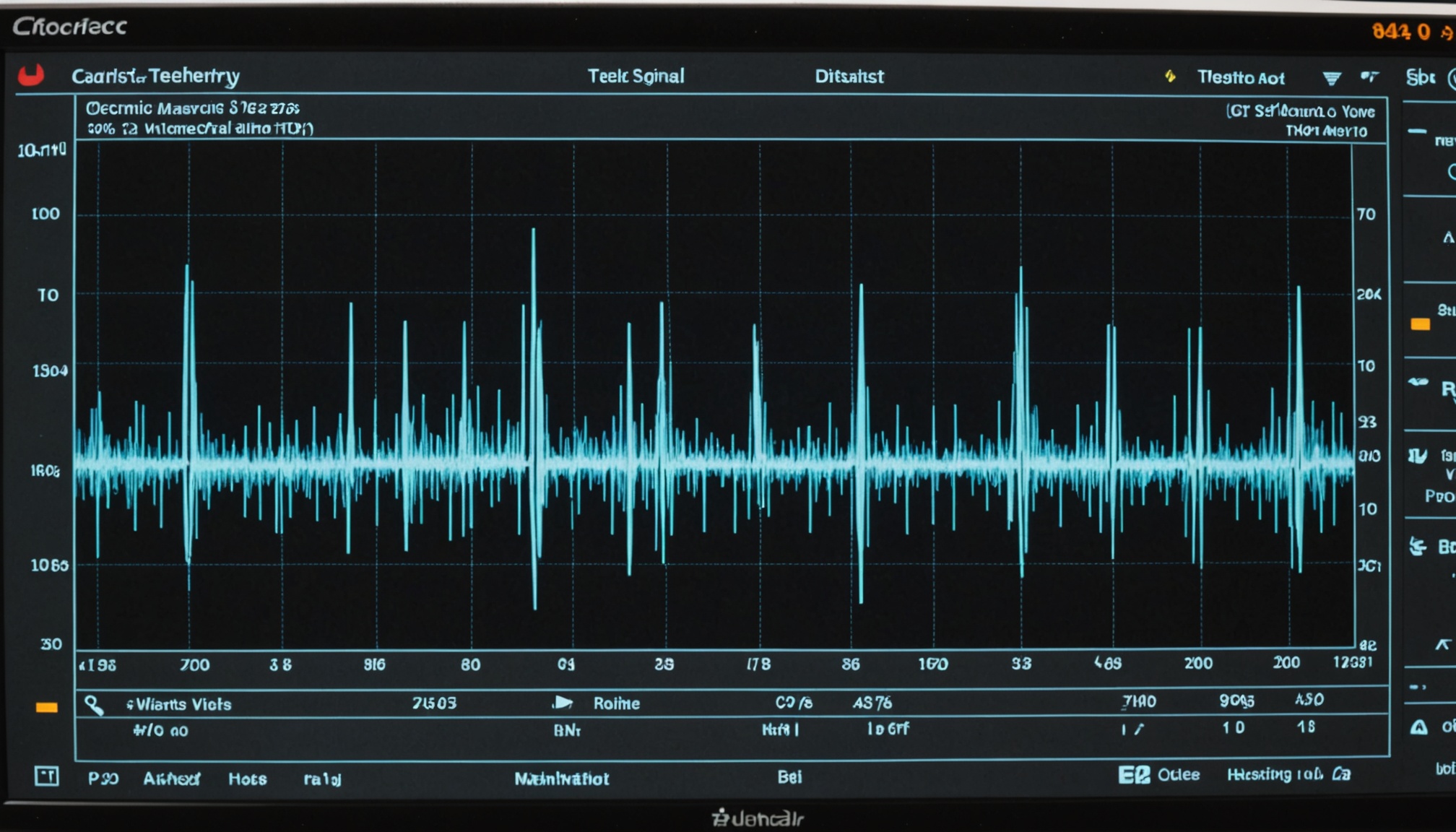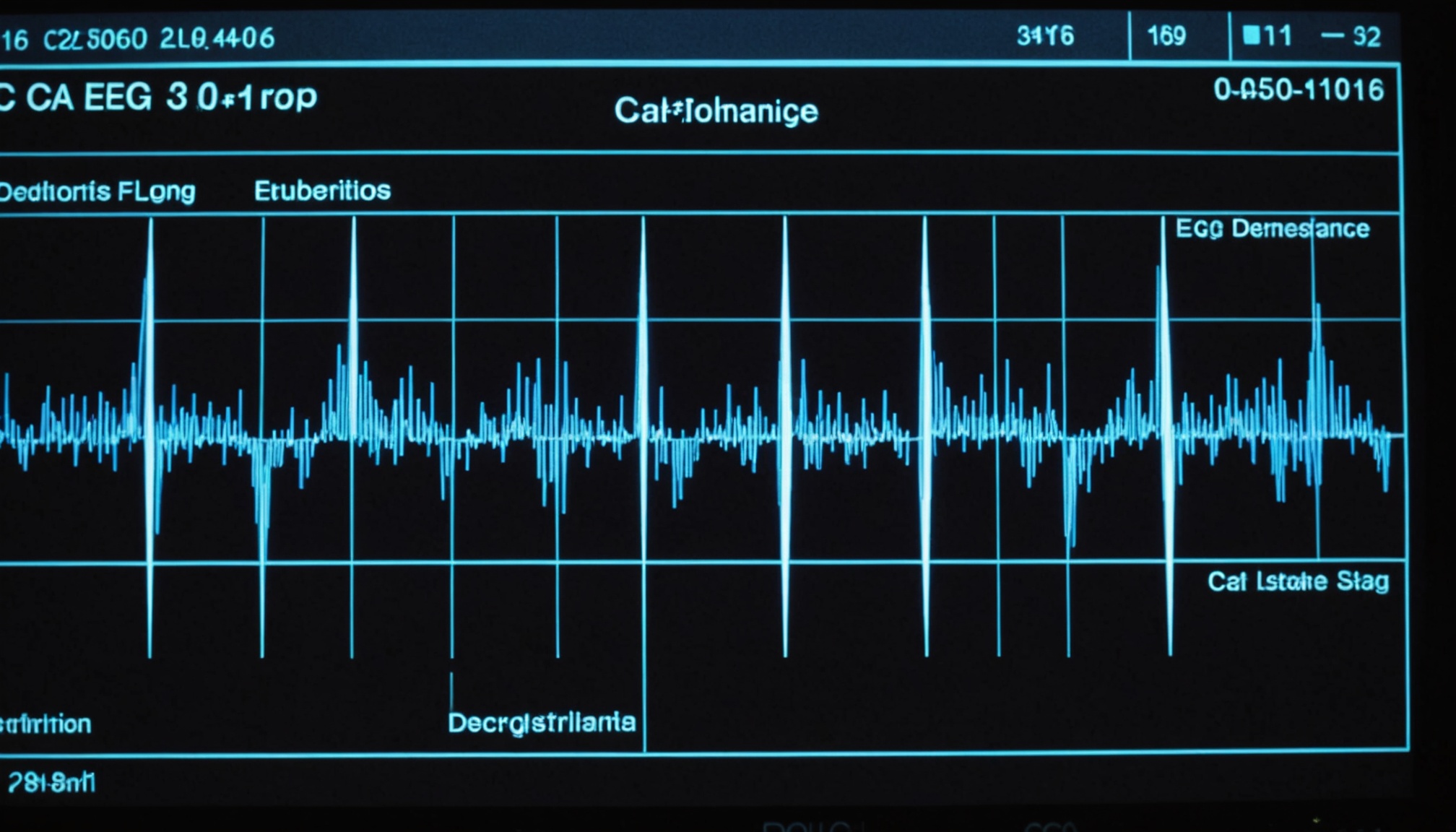
ICM telemetry does not record a continuous clean ECG. It records a single-lead subcutaneous EGM from a device about the size of a large staple, implanted under the skin of the left chest. The signal path picks up far-field cardiac electrical activity, skeletal muscle noise, and electromagnetic interference from the patient's environment — all mixed together in a waveform that the device's onboard algorithms must classify in real time, with no access to surface ECG, clinical history, or anything a clinician would consider context. Understanding what those algorithms can and cannot reliably do is necessary for interpreting ICM telemetry without over- or under-responding to its findings.
AF burden in ICM transmissions is expressed as a percentage of monitoring time in which the device detected atrial fibrillation. A 2.4% AF burden over 30 days means the device classified approximately 17 hours of that period as AF. The calculation is based on RR interval irregularity: when the device detects sustained absent P-waves and irregular ventricular response with no clear regular R-R pattern, it classifies the period as AF and accumulates the duration.
The clinical significance of a given AF burden percentage depends entirely on context. A 2.4% burden in a patient implanted for cryptogenic stroke evaluation with no prior AF history is a meaningful finding that warrants anticoagulation discussion. The same 2.4% burden in a patient with known permanent AF who is already on anticoagulation and whose monitoring threshold is set at 10% is below the actionability threshold. The device-reported number is the same; the clinical implication is opposite. This is why AF burden figures from ICM transmissions cannot be acted upon without reference to the patient's clinical record.
Abbott's Confirm Rx, Medtronic's LINQ II, and Biotronik's BioMonitor 3 all calculate AF burden using RR interval-based detection, but their algorithms differ in sensitivity thresholds, minimum episode duration for classification, and how they handle transitions between sinus rhythm and AF. Direct numeric comparisons of AF burden across manufacturers in the same patient are not reliable — a finding worth keeping in mind for practices that have transitioned patients from one device generation to another.
ICM devices flag pauses when the R-R interval exceeds a programmed threshold — typically 3.0 seconds on most current devices, though this is configurable. When a pause flag arrives in a transmission, the first clinical question is whether the long R-R interval represents true asystole or a sensing failure. The distinction matters enormously: a 3.5-second true asystolic pause in a symptomatic patient may indicate sinus node dysfunction requiring pacemaker consideration. A 3.5-second apparent pause caused by the device undersensing low-amplitude R-waves — common when the patient shifts position or gains weight — requires repositional or sensing threshold adjustment, not a cardiology escalation.
The EGM strip is the primary tool for this distinction. In a true pause, the baseline between the last sensed beat and the next is flat, with no deflections. In an undersensed pause, careful inspection of the baseline often reveals low-amplitude signals that the algorithm failed to count. T-wave oversensing is a related artifact: the device double-counts the T-wave as an R-wave, creating apparent short R-R intervals that may be classified as tachycardia, or paradoxically creates gaps when the counted beat is not the R-wave and the true R-R appears long. EGM morphology review is not optional for pause interpretation.
ICM devices classify ventricular tachycardia based on rate and morphology criteria. Typically, a sustained high-rate episode with a morphology that differs from the patient's baseline sinus complex triggers a VT flag. The challenge is that several common artifact sources produce exactly the conditions that trigger VT classification: vigorous physical activity creates myopotential noise that can appear as rapid irregular high-amplitude deflections; electromagnetic interference from power tools or certain appliances can produce periodic artifact indistinguishable from VT at the algorithm level; lead migration changes the EGM morphology in ways that make sinus tachycardia look like an abnormal complex.
Published validation data for current-generation ICM devices show VT specificity in the 70-85% range, meaning 15-30% of device-flagged VT episodes are artifact on expert EGM review. For a clinic receiving 200 transmissions per week, if 10% of transmissions contain a VT flag and 20% of those are artifact, that is four artifact-VT transmissions per week requiring coordinator time for EGM review and documentation. The rate goes up in patients with active physical jobs or those who require frequent repositional assessments.
Because ICMs are single-lead devices, they cannot directly measure atrial activity or use the dual-chamber sensing strategies available in implanted defibrillators. SVT discrimination on ICMs relies on morphology comparison: the device stores a template of the patient's sinus complex and compares episode EGMs against it. Fast rhythms with morphology similar to sinus are classified as SVT or sinus tachycardia; morphologically distinct fast rhythms get flagged as possible VT.
This approach works reasonably well for clear-cut cases but fails predictably in rate-dependent bundle branch block, where a fast sinus or SVT beats with wide aberrant morphology that looks different from the baseline narrow complex. These cases require clinical interpretation that the device algorithm cannot provide. They are also the cases most likely to be sent for physician review unnecessarily if the coordinator reviews only the device classification label rather than the EGM.
Implansense applies a multi-label classification approach to incoming transmissions: each transmission receives independent assessments for AF burden, pause detection plausibility, VT-vs-artifact probability, and SVT morphology consistency. Rather than presenting a single top-level flag, the system surfaces the primary finding with a specificity-weighted confidence score and flags which findings warrant EGM review versus which are below the threshold for coordinator time investment.
For a coordinator reviewing a LINQ II transmission that contains both a 1.8% AF burden episode and a 3.1-second pause, the system presents both findings with context: the AF burden in relation to the patient's documented threshold and prior burden trend, and the pause with an artifact-probability estimate based on morphology features. The coordinator sees which finding warrants the physician's attention and which can be documented with a standard note. The EGM strips are surfaced for the pause review but not foregrounded for the AF burden item if it is consistent with the patient's known pattern.
Accurate arrhythmia classification in ICM telemetry is not about trusting the device label. It is about using the device label as a starting point and having the clinical context and EGM review tools to finish the job efficiently.